
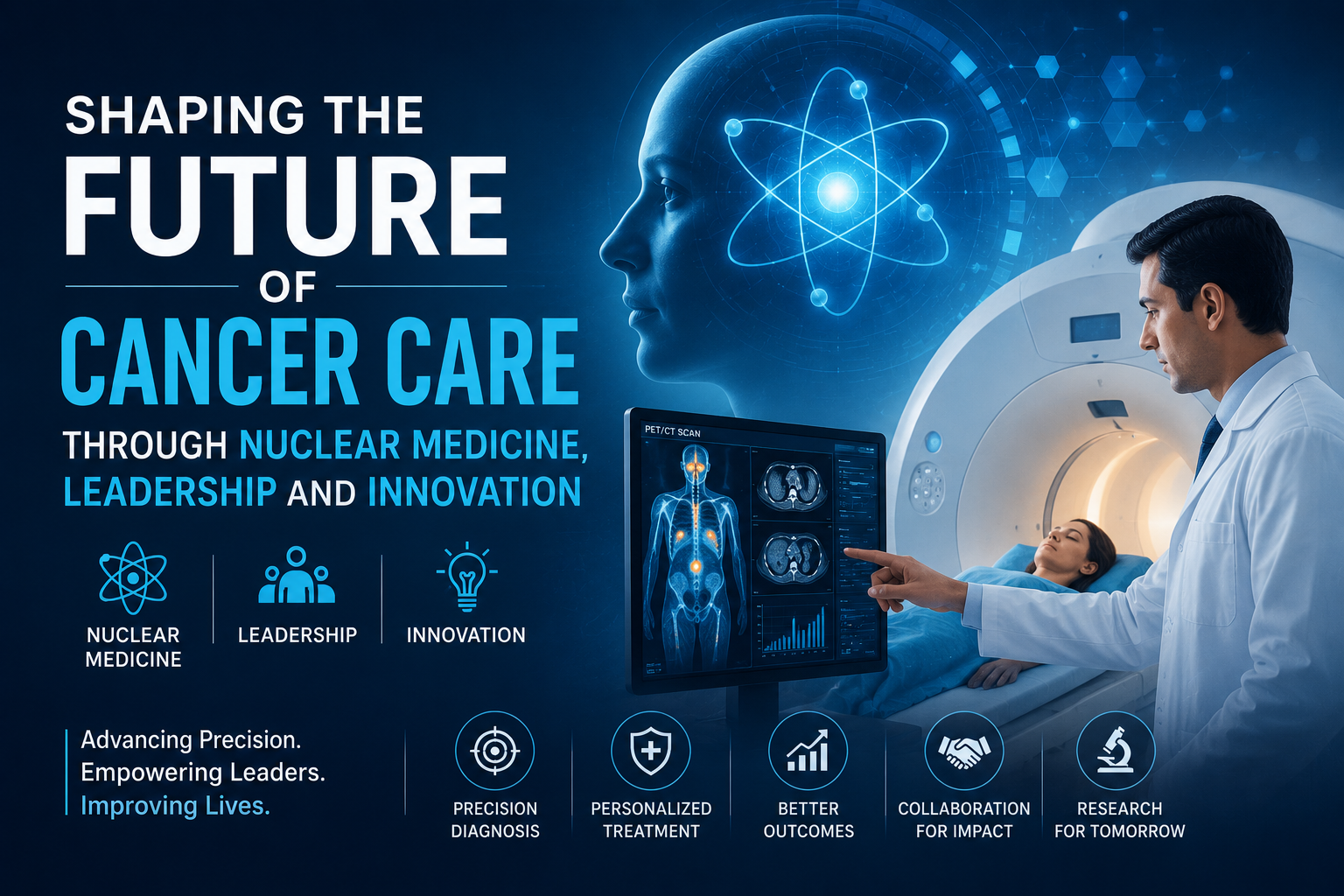
Transforming Nuclear Medicine: Strategy, Scale, and Patient-Centric Innovation
Executive Profile & Leadership Overview: Renaud Dehareng, Group CEO, Curium
The field of nuclear medicine is undergoing a fundamental paradigm shift—moving from traditional diagnostic imaging to hyper-targeted, personalized theranostics in precision oncology. Leading this charge requires a distinct blend of strategic management, specialized infrastructure, and purpose-driven execution.
Under the leadership of Renaud Dehareng, Group CEO of Curium, the organization has transformed into a vertically integrated global leader in radiopharmaceuticals. Bringing over 15 years of industry experience across predecessor entities, Dehareng's background—spanning strategic consulting at Arthur Andersen and education at Warwick Business School—informs Curium's balance of operational excellence, regulatory compliance, and clinical expansion.
1. Leadership Philosophy: Empowering Scale & Purpose
Dehareng's executive approach reflects an evolution from hands-on micro-management toward strategic empowerment and mission alignment.
                           ┌──────────────────────────┐
                           │    EXECUTIVE PURPOSE     │
                           │  Patient-Centric Mission │
                           └─────────────┬────────────┘
                                         │
                                         ▼
                           ┌──────────────────────────┐
                           │    STRATEGIC ALIGNMENT   │
                           │  Setting Clear Priorities│
                           └─────────────┬────────────┘
                                         │
                                         ▼
    ┌────────────────────────────────────┴────────────────────────────────────┐
    │                                                                         │
    ▼                                                                         ▼
┌─────────────────────────────────┐                       ┌──────────────────────────────────┐
│     TEAM EMPOWERMENT            │                       │    OPERATIONAL ACCOUNTABILITY    │
│ • Delegating to specialized talent│                      │ • Global compliance standards    │
│ • Fostering internal ownership  │                       │ • Reliable supply continuity     │
└─────────────────────────────────┘                       └──────────────────────────────────┘
Core Leadership Pillars
-
Decentralized Execution: Transitioning from personal control over daily operations to establishing the conditions, clarity, and autonomy for a global team of over 2,000 employees to succeed.
-
Purpose-Driven Engagement: Connecting individual operational tasks directly to the end patient outcome, ensuring commercial growth is anchored in healthcare responsibility.
-
Strategic Balance: Combining clear priority setting with room for cross-functional collaboration across scientific, operational, and clinical boundaries.
2. Strategic Vision for Nuclear Medicine & Theranostics
Nuclear medicine is transitioning from a niche diagnostic tool to a central pillar of precision oncology.
              DIAGNOSTIC IMAGING                  THERAPEUTIC TREATMENT
           ┌───────────────────────┐            ┌───────────────────────┐
           │ Identify & characterize│            │  Deliver targeted     │
           │ disease at cellular   │ ─────────► │  radiation directly   │
           │ level (PET/SPECT)     │            │  to tumor sites       │
           └───────────────────────┘            └───────────────────────┘
                                       ▲
                                       │
                         INTEGRATED THERANOSATICS
Strategic Sector Drivers
-
Precision Oncology: Leveraging molecular imaging to characterize specific biological targets, enabling tailored treatment plans based on an individual patient's disease profile.
-
The Theranostic Convergence: Coupling diagnostic isotopes with therapeutic radioisotopes to simultaneously visualize and treat malignancies with surgical precision.
-
Broadening Accessibility: Expanding theranostic adoption beyond academic medical centers into scalable, global clinical practice.
3. Operations, Infrastructure & Execution
In radiopharmaceuticals, time-sensitive half-lives mean that scientific innovation is only as valuable as the supply chain that delivers it. Dehareng emphasizes translating laboratory R&D into resilient, scalable operations.
| Operational Dimension | Core Focus & Execution Strategy |
| Manufacturing & Quality | Building robust, highly regulated production facilities capable of meeting strict isotope decay windows. |
| Supply Chain Resilience | Establishing redundant distribution networks to ensure uninterrupted, time-critical delivery to healthcare providers. |
| Regulatory Acceleration | Proactively navigating complex international regulatory frameworks across diverse healthcare jurisdictions. |
| Ecosystem Collaboration | Partnering with academic researchers, tech providers, and pharma companies to accelerate the bench-to-bedside timeline. |
"The future of nuclear medicine depends on the industry's ability to translate scientific progress into reliable, scalable solutions that can reach patients across different healthcare systems." — Renaud Dehareng
4. Key Takeaways
-
Innovation Requires Infrastructure: Developing novel radiopharmaceuticals must be paired with manufacturing scale, logistics, and regulatory readiness to create lasting clinical value.
-
Complexity as a Competitive Advantage: High barriers to entry—such as short isotope decay rates and stringent regulations—reward organizations that excel at operational execution.
-
Patient-Centric Growth: Long-term business sustainability in healthcare is ultimately defined by measurable improvements in patient outcomes and treatment accessibility.