
Global Atrophic Vaginitis Market
 |
Pages:
245
|
Pages:
245
Global Atrophic Vaginitis Market Size, Share, By Product Type (Hormonal Therapy, Non-Hormonal Therapy, Medical Devices), By Route of Administration (Oral, Topical, Device-Based Therapies), By End User (Hospitals, Gynaecology Clinics, and Retail Pharmacies), and By Region (North America, Europe, Asia-Pacific, Latin America, Middle East, and Africa), Analysis and Forecast 2025-2035
REPORT COVERAGE
Global
Market Snapshot
- Market Size (2025): USD 764.4Billion
- Projected Market Size (2035): USD 2424.8 Billion
- Compound Annual Growth Rate (CAGR): 12.24%
- Largest Regional Market: North America
- Fastest Growing Region: Asia Pacific
- 2nd Largest Region: Europe
- Base Year: 2025
- Historical Period: 2021–2024
- Forecast Period: 2025–2035
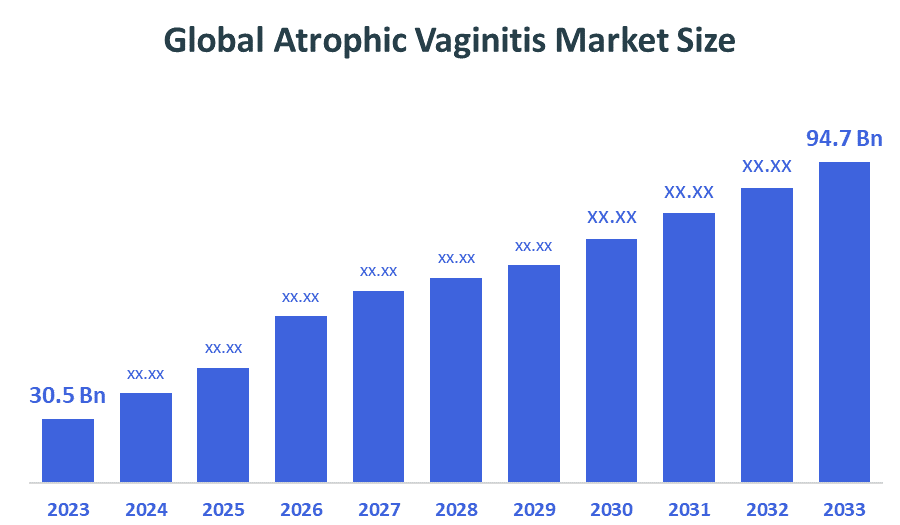
According to Decision Advisors, the Global Atrophic Vaginitis Market Size is expected to grow from USD 764.4billion in 2025 to USD 2424.8 billion by 2035, at a CAGR of 12.24% during the forecast period 2025-2035. The global atrophic vaginitis market is projected to grow significantly over the next decade as the increasing number of menopausal and postmenopausal women, the growing understanding of vaginal health problems, and the continuous development of treatment methods all contribute to this situation.
Market Overview/ Introduction
The atrophic vaginitis market refers to the global industry which creates and distributes products that help in preventing and treating atrophic vaginitis. This condition causes vaginal walls to become thinner and dry out and develop inflammation because of decreased estrogen levels which typically occurs in postmenopausal women. Atrophic vaginitis is a type of genitourinary syndrome of menopause (GSM). GSM describes atrophy which occurs in the perineal region that includes the vagina because of hormonal deficiencies. The market experiences growth because people become more aware of postmenopausal health concerns while menopause-related conditions increase and people choose minimally invasive treatment options more frequently.
Development of non?hormonal therapies and AI?driven diagnostics and next?generation drug delivery systems will attract more patients who currently avoid standard hormone treatments. Telemedicine and e?commerce systems enhance patient access to treatment which leads to increased treatment rates in areas with limited medical resources.
- The U.S. Food and Drug Administration granted Aurobindo Pharma Limited final approval for its Abbreviated New Drug Application Estradiol Vaginal Inserts USP 10 mcg on August 2024. Aurobindo Pharma's Estradiol Vaginal Inserts serve as an AB-rated generic equivalent of the reference listed drug Vagifem which Novo Nordisk Inc manufactures.
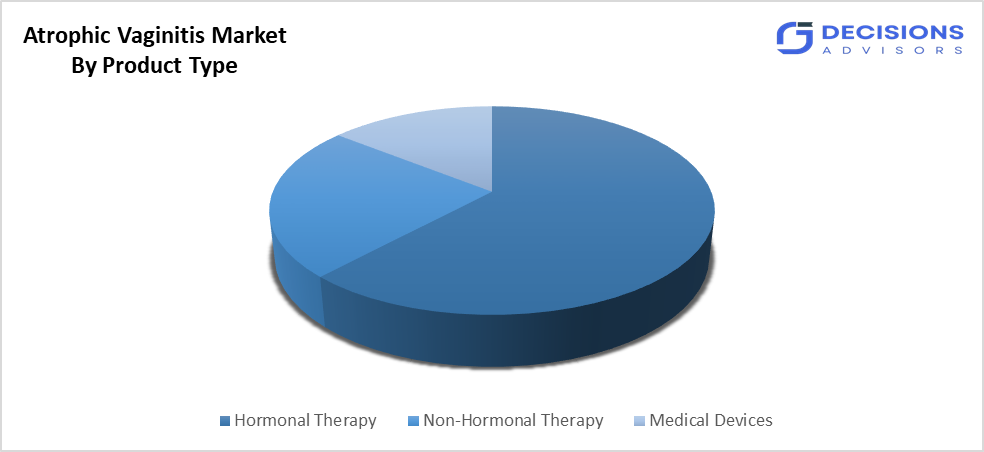
- Hormonal treatments held the largest revenue share with about 64% of total market revenue in 2024, reflecting continued clinical preference for effective symptom relief.
Notable Insights: -
- North America holds the largest regional market share, approximately 39.5% in the global Atrophic Vaginitis market.
- Asia Pacific is the fastest-growing region in the global Atrophic Vaginitis market.
- By drug type, the steroid segment held a dominant position of over 45% in terms of market share in 2025.
- By distribution channel, the retail pharmacies segment is the dominating one, accounting for over 37% of the global market share in 2025.
- The compound annual growth rate of the global Atrophic Vaginitis market is 12.24%.
- The market is likely to achieve a valuation of USD 2424.8 billion by 2035.
What is role of technology in grooming the market?
Technology plays a critical role in shaping this growth by enhancing diagnosis, treatment, and patient management. Postmenopausal women from underserved regions can receive specialist care through teleconsultations and remote monitoring which technology enables. Telehealth platforms expand patient access while enhancing diagnosis accuracy and driving treatment compliance, which results in potential patient growth of 30 to 40 percent across developing markets. Artificial intelligence detects medical conditions at an early stage through its ability to evaluate patient symptoms together with their medical background and clinical information. AI-assisted diagnostic tools decrease misdiagnosis rates while they create personalized treatment pathways which help patients achieve better health outcomes and develop treatment trust. The use of intravaginal rings and sustained-release creams and transdermal patches provides users with better treatment options which lead to higher therapy success rates. These innovations make therapies more appealing and accessible, particularly for women avoiding frequent clinic visits. Pharmaceutical companies use big data and predictive analytics to discover high-potential markets, which enables them to design effective marketing plans and anticipate upcoming demand patterns, resulting in successful market development across established and new markets.
Market Drivers
The global atrophic vaginitis market is propelled by The growing elderly population in various countries has resulted in more women experiencing atrophic vaginitis. The public's improved understanding of menopausal symptoms, which lowers social stigma, results in increased diagnosis and treatment rates. The development of localized estrogen therapies and non-hormonal lubricants/moisturizers and innovative delivery systems has created new treatment options for patients. The combination of improved gynecological care access and higher healthcare spending in primary markets leads to increased treatment utilization. The industry reports show that companies are increasing their product launching activities and funding both hormonal and non-hormonal treatment options, which will create more treatment choices for patients while increasing market revenue share for low-dose and non-systemic therapies.
Restrain
The main restraints on the global atrophic vaginitis market include the cultural taboos and intimate symptom embarrassment results in women facing difficulties when they need to visit medical facilities for treatment purposes. The actual rate of medical conditions exists underdiagnosed because people fail to seek treatment according to their actual disease rate. Patients and some clinicians avoid using established hormonal treatments because they remain afraid of developing adverse effects which include cancer and cardiovascular risks from hormone therapy.
Competitive Analysis:
The report offers the appropriate analysis of the key organizations/companies involved within the atrophic vaginitis market, along with a comparative evaluation primarily based on their product of offering, business overviews, geographic presence, enterprise strategies, segment market share, and SWOT analysis. The report also provides an elaborative analysis focusing on the current news and developments of the companies, which includes product development, innovations, joint ventures, partnerships, mergers & acquisitions, strategic alliances, and others. This allows for the evaluation of the overall competition within the market.
Top Companies in Global Atrophic Vaginitis Market
- Pfizer Inc.
- Novo Nordisk A/S
- Allergan plc (AbbVie Inc.)
- TherapeuticsMD, Inc.
- Bayer AG
- Merck & Co., Inc.
- Mylan N.V.
- Teva Pharmaceutical Industries Ltd.
- Shionogi & Co., Ltd.
- Duchesnay Inc.
Government Initiatives
|
Country |
Key Government Initiatives |
|
UK |
The National Menopause Care Improvement Programme of NHS England intends to develop better menopause support systems through improved training for medical professionals and increased education for the general public which will result in better identification and treatment of conditions such as vaginal atrophy within the public health system. |
|
US |
The U.S. Office on Women’s Health operates federal programs which provide educational materials and research support and public awareness programs about menopause and its related conditions. The efforts help to decrease stigma which leads to more patients seeking medical treatment. The American Urological Association (AUA) published its updated clinical guidelines for Genitourinary Syndrome of Menopause (GSM) in 2025. The comprehensive medical term atrophic vaginitis receives recognition as a condition that medical professionals should identify through specific evidence-based treatment recommendations. |
|
Japan |
Japan has extended its national support programs for women's health and menopause healthcare services through funding that covers healthcare access costs and supports preventive health programs and provides counseling for age-related medical conditions which include menopause-related vaginal dryness symptoms. The existing reproductive health systems enhance healthcare access which results in increased demand for medical services. |
Market Segmentation
The atrophic vaginitis market share is classified into drug type, disease type, and distribution channel.
- The hormonal therapy segment dominated the market in 2025, and is projected to grow at a substantial CAGR during the forecast period.
Based on the product type, the atrophic vaginitis market is divided into hormonal therapy, non-hormonal therapy, medical devices. Among these, the hormonal therapy segment dominated the market in 2025 and is projected to grow at a substantial CAGR during the forecast period. The growth of the segment is driven by the Hormonal therapy doctors currently prescribe for patients with atrophic vaginitis specifically treats the primary cause of this condition which arises from estrogen deficiency that occurs in postmenopausal women. The global market for atrophic vaginitis treatment generates more than 60 percent of its revenue from hormonal therapies.
- The topical segment accounted for the largest share in 2025, and is anticipated to grow at a significant CAGR of approximately 67% during the forecast period.
Based on the route of administration, the atrophic vaginitis market is divided into oral, topical, device-based therapies. Among these, the topical segment accounted for the largest share in 2025, and is anticipated to grow at a significant CAGR of approximately 67% during the forecast period. The segmental growth is driven by topical estrogen products deliver medication directly to vaginal tissues which results in less systemic treatment effects while providing better symptom relief. The treatment proves to be more effective and safer than oral systemic therapies which women should choose especially after menopause.
- The hospitals segment dominated the market in 2025, and is projected to grow at a substantial CAGR of approximately 37% during the forecast period.
Based on the end user, the atrophic vaginitis market is divided into hospitals, gynaecology clinics, and retail pharmacies. Among these, the hospitals segment dominated the market in 2025, and is projected to grow at a substantial CAGR of approximately 37% during the forecast period. Doctors need to prescribe most atrophic vaginitis treatments which mainly use hormonal therapies through low-dose vaginal estrogen creams and tablets and rings. Patients can obtain these prescriptions from hospitals and gynecology clinics which serve as primary healthcare facilities. hospital prescriptions account for 50–60% of market revenue globally.
Regional Segment Analysis of the Atrophic Vaginitis Market
- North America (U.S., Canada, Mexico)
- Europe (Germany, France, U.K., Italy, Spain, Rest of Europe)
- Asia-Pacific (China, Japan, India, Rest of APAC)
- South America (Brazil and the Rest of South America)
- The Middle East and Africa (UAE, South Africa, Rest of MEA)
North America is anticipated to hold the largest share of the atrophic vaginitis market over the predicted timeframe.
North America is anticipated to hold the largest share of the Atrophic Vaginitis market over the predicted timeframe. This market is accounting about approximately 42% of the total market share. North America dominates the global ITP market due to the healthcare system of the region delivers advanced medical services which enable women to receive treatment for menopausal conditions because they have sufficient health insurance coverage and because the region dedicates substantial funds to research and development of women-specific medical treatments. The company demonstrates its leadership position through its current product developments which include the USFDA approval of generic Estradiol Vaginal Inserts USP 10?mcg to treat atrophic vaginitis. The product will enter the market during Q2 FY2025 to serve a healthcare market which US$ 268 million. North America maintains its market leadership through strong regulatory support and the high number of post-menopausal women and the ongoing introduction of new products
Asia Pacific is expected to grow at a rapid CAGR in the atrophic vaginitis market during the forecast period. Asia Pacific is expected to grow at a rapid CAGR in the Atrophic Vaginitis market during the forecast period. This rapid growth is fueled by rising healthcare costs and increasing public knowledge about women's health and better medical facilities in China India Japan and South Korea has created a growing need for menopausal treatment between these countries. The Asia Pacific region will experience the fastest compound annual growth rate (CAGR) because of its improving diagnostic services and treatment options and its large number of undiagnosed patients. The companies in this region will execute product launches and corporate announcements which will include new non-hormonal moisturizing products and low-dose estrogen medications and telehealth distribution systems to enhance product accessibility.
Europe is the 2nd largest region to grow in the atrophic vaginitis market during the period. This growth is driven by Europe holds a significant market share due to advanced healthcare infrastructure, higher awareness of women’s health issues, and strong reimbursement frameworks in countries such as Germany, France, and the UK. Western Europe, in particular, shows robust uptake of both hormonal and non?hormonal therapies, with pharmaceutical innovation supported by European Medicines Agency (EMA) regulatory harmonization that facilitates product launches across member countries.
Strategies to Implement for Growth of the Market in Non-Leading Regions
Strategies to grow the Atrophic Vaginitis (ITP) market in non-leading regions should focus on improving access, awareness, and affordability. understand local market requirements which will enhance their product adoption and business growth. To drive market growth in non-leading regions, companies should focus on localized marketing, targeted promotions, and strategic partnerships. For example, implementing region-specific campaigns can increase brand awareness by 25–30%. Expanding distribution networks, including 15–20 new retail outlets per region, can improve accessibility. Introducing affordable product variants tailored to local demand has shown a 12% boost in adoption rates in similar markets. Digital engagement through social media and mobile apps can reach 40% of previously untapped consumers. Continuous data analysis ensures resource allocation aligns with high-potential areas, driving sustainable growth.
Future Market Trends in Global Atrophic Vaginitis Market: -
- Strong Market Growth Trajectory
The global atrophic vaginitis market is on a robust growth path, with forecasts showing a CAGR near 12.24%. This acceleration reflects expanding patient populations, wider diagnosis rates, and increased adoption of both hormone?based and non?hormonal therapies. As awareness grows and new delivery systems improve treatment convenience, more women seek care — driving sustained market expansion.
- Digital & Diagnosis Innovations
Digital and diagnostic innovations in the atrophic vaginitis market are accelerating access and early detection. Telemedicine adoption has increased virtual consultations by over 40?%, improving diagnosis rates and convenience. AI?driven diagnostic tools and symptom?tracking apps enhance personalized care and follow?up, especially in underserved areas. Trends show a shift from traditional in?clinic exams to digital symptom assessment and remote care models, boosting early intervention and patient engagement.
- Regional Growth & Market Diversification
North America leads with the largest market share and high treatment adoption, while Asia?Pacific is growing fastest at ~8–9% CAGR due to rising awareness and expanding healthcare access. Europe also shows steady growth backed by healthcare infrastructure. Emerging regions like Latin America and MEA offer growth opportunities as stigma decreases and infrastructure improves.
Recent Development
In December 2025, The U.S. Food and Drug Administration today approved the first generic version of Imvexxy (estradiol vaginal inserts). This approval will provide women additional options for access to treatment of moderate to severe dyspareunia (painful sexual intercourse), a symptom of vulvar and vaginal atrophy, due to menopause by delivering a low dose of estradiol directly to vaginal tissue.
In May 2025, Duchesnay USA, a specialty pharmaceutical company dedicated to women's health and part of Duchesnay Pharmaceutical Group (DPG), is pleased to announce a strategic partnership with MyMenopauseRx, a virtual doctor's office dedicated to offering high-quality specialists consultations that expand access to care for women transitioning through menopause.
How is Recent Developments Helping the Market?
Recent developments are significantly driving growth and innovation in the atrophic vaginitis market. The Advanced laser therapies provide effective symptom relief through fractional CO? treatment which leads to higher patient satisfaction rates among postmenopausal women. Digital health platforms through their AI-powered diagnostic systems, offer better early disease identification and customized treatment solutions, while enabling telehealth services to extend their reach to remote areas, which could serve 40% more patients. The combination of pharmaceutical partnerships with telehealth providers and niche women's health product acquisitions enable businesses to establish their presence in international markets through faster product development. The atrophic vaginitis market will experience constant market expansion because these innovations raise public awareness, enhance patient results, and create new treatment options, which will particularly benefit emerging markets in Asia-Pacific and Latin America.
Market Segment
This study forecasts revenue at global, regional, and country levels from 2020 to 2035. Decision Advisors has segmented the atrophic vaginitis market based on the below-mentioned segments:
Global Atrophic Vaginitis Market, By Product Type
- Hormonal Therapy
- Non-Hormonal Therapy
- Medical Devices
Global Atrophic Vaginitis Market, By Route of Administration
- Oral
- Topical
- Device-Based Therapies
Global Atrophic Vaginitis Market, By End User
- Hospitals
- Gynaecology Clinics
- Retail Pharmacies
Global Atrophic Vaginitis Market, By Regional Analysis
- North America
- US
- Canada
- Mexico
- Europe
- Germany
- UK
- France
- Italy
- Spain
- Russia
- Rest of Europe
- Asia Pacific
- China
- Japan
- India
- South Korea
- Australia
- Rest of Asia Pacific
- South America
- Brazil
- Argentina
- Rest of South America
- Middle East & Africa
- UAE
- Saudi Arabia
- Qatar
- South Africa
- Rest of the Middle East & Africa
Frequently Asked Questions (FAQ)
Q: How can stakeholders capitalize on opportunities?
A: Stakeholders should invest in R&D, partnerships, regional education, and distribution expansion. Tailored marketing, affordability strategies, and digital engagement can improve penetration in non?leading markets.
Q: What future developments are expected?
A: Expect broader digital integration, more non?hormonal options, personalized medicine approaches, and increased awareness efforts. Market expansion will align with demographic trends and technology adoption.
Q: What market trends exist in emerging regions?
A: Emerging regions show faster growth rates due to increasing healthcare spending, urbanization, better diagnostics, and rising middle?class demand for women’s health solutions.
Q: What collaborations are occurring?
A: Pharma–telehealth partnerships and acquisitions of women’s health brands are rising. These collaborations expand product portfolios, accelerate R&D, and improve market access globally.
Q: Are there emerging technologies?
A: Yes—laser therapies, novel drug delivery systems (e.g., intravaginal rings), and AI?assisted diagnostics are emerging. These innovations aim to improve efficacy, convenience, and patient satisfa
Check Licence
Choose the plan that fits you best: Single User, Multi-User, or Enterprise solutions tailored for your needs.
We Have You Covered
- 24/7 Analyst Support
- Clients Across the Globe
- Tailored Insights
- Technology Tracking
- Competitive Intelligence
- Custom Research
- Syndicated Market Studies
- Market Overview
- Market Segmentation
- Growth Drivers
- Market Opportunities
- Regulatory Insights
- Innovation & Sustainability
Report Details
| Scope | Global |
| Pages | 245 |
| Delivery | PDF & Excel via Email |
| Language | English |
| Release | Mar 2026 |
| Access | Download from this page |