
Brazil Alcoholic Drinks Market
 |
Pages:
195
|
Pages:
195
Brazil Alcoholic Drinks Market Size, Share, and COVID-19 Impact Analysis, By Type (Beer, Spirits, Wine, Perry & Rice Wine, Hard Seltzer, Others), By Distribution Channel (Pub, Internet Retailing, Liquor Stores, Grocery Shops, Supermarkets, Bars & Restaurants, Others), and Brazil Alcoholic Drinks Market Insights, Industry Trend, Forecasts to 2035
REPORT COVERAGE
Country
Brazil Alcoholic Drinks Market Insights Forecasts to 2035
- The Brazil Alcoholic Drinks Market Size Was Estimated at USD 95 Billion in 2024
- The Market Size is Expected to Grow at a CAGR of Around 5.1% from 2025 to 2035
- The Brazil Alcoholic Drinks Market Size is Expected to Reach USD 165 Billion by 2035
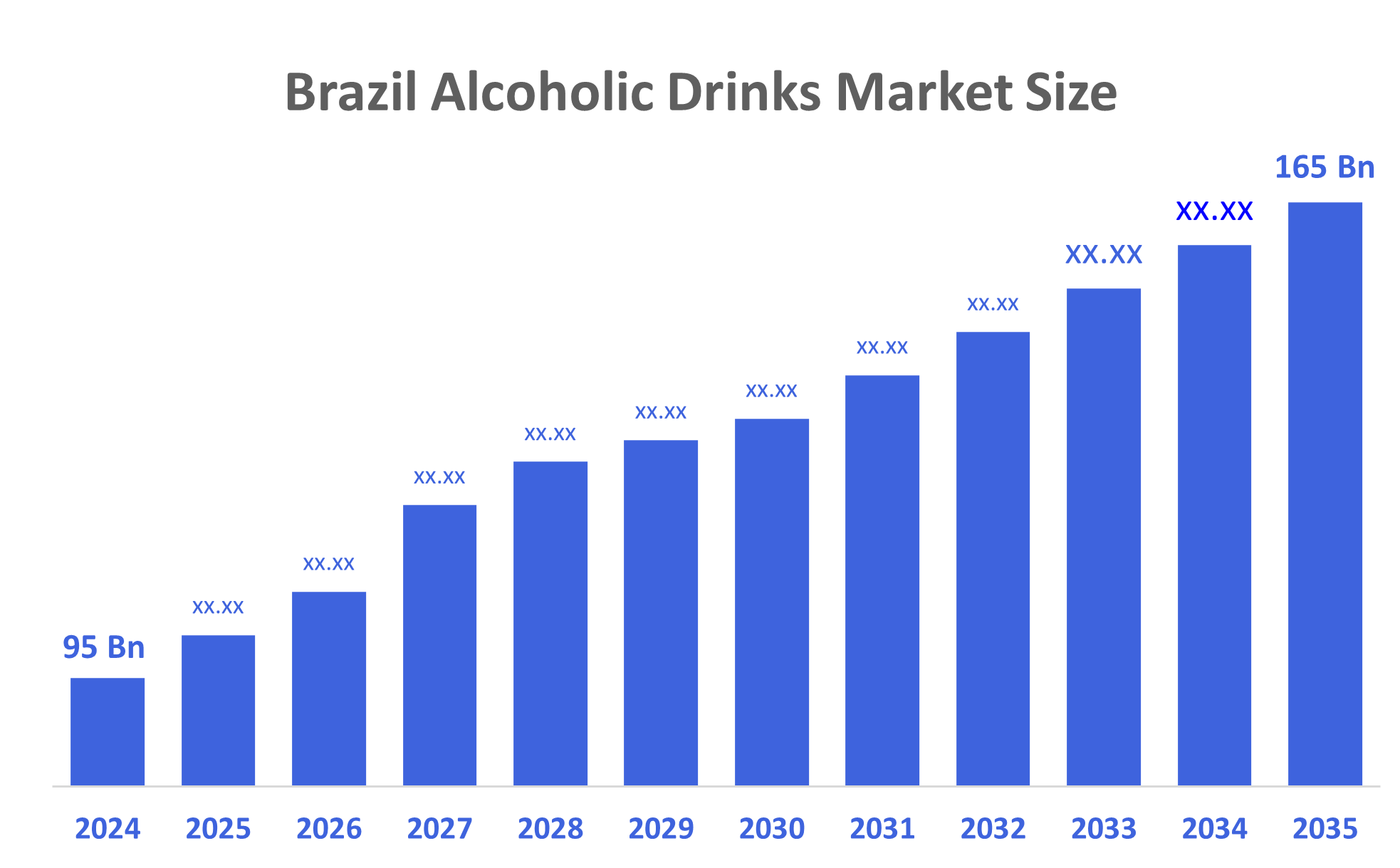
According to a research report published by Decisions Advisors, The Brazil Alcoholic Drinks Market Size is Anticipated to Reach USD 165 Billion by 2035, Growing at a CAGR of 5.1% from 2025 to 2035. Brazil’s alcoholic drinks market is driven by rising disposable incomes, strong urban nightlife culture, and growing demand for premium and craft beverages. Expanding distribution through supermarkets and e-commerce, increasing tourism, and active marketing by global brands also fuel consumption. Shifting consumer preferences toward flavored and low-alcohol options further support growth.
Market Overview
Alcoholic drinks are beverages containing ethanol produced through the fermentation of grains, fruits, or other sugar sources, and in some cases further refined by distillation. They include categories like beer, wine, and spirits. These beverages are consumed for social, cultural, recreational, and culinary purposes, with varying alcohol content and flavor profiles. Additionally, Brazil’s alcoholic drinks market grows due to rising disposable incomes, expanding urban lifestyles, and strong cultural consumption of beer, spirits, and cocktails. Premiumization, craft beverage innovation, and wider product availability through supermarkets and e-commerce further support demand. Tourism recovery and marketing by major brands also enhance market expansion. In Brazil, Key trends include rising demand for craft beer, flavored spirits, and ready-to-drink cocktails. Consumers increasingly prefer low-calorie, low-alcohol, and natural-ingredient options. Premiumization continues shaping buying habits, supported by innovative packaging and digital marketing.
Growth of e-commerce alcohol sales and sustainability-focused production further influences Brazil’s evolving alcoholic beverages landscape. Furthermore, Recent developments include brewery expansions, the launch of premium and flavored spirit lines, and growing investment in ready-to-drink beverages. Several brands introduced sustainable packaging and strengthened e-commerce distribution. Brazilian craft beer producers increased collaboration with international partners, while companies intensified digital marketing and promotional campaigns targeting younger, urban consumers.
Report Coverage
This research report categorizes the market for the Brazil alcoholic drinks market based on various segments and regions, and forecasts revenue growth and analyses trends in each submarket. The report analyses the key growth drivers, opportunities, and challenges influencing the Brazil alcoholic drinks market. Recent market developments and competitive strategies, such as expansion, product launch, development, partnership, merger, and acquisition, have been included to draw the competitive landscape in the market. The report strategically identifies and profiles the key market players and analyses their core competencies in each sub-segment of the Brazil alcoholic drinks market.
Driving Factors
Brazil’s alcoholic drinks market is driven by rising disposable incomes, urban lifestyles, and a strong social drinking culture across cities. Growing interest in premium, craft, and flavored beverages encourages higher-value purchases. Expanding retail penetration, including supermarkets and e-commerce platforms, boosts accessibility. Tourism growth, nightlife expansion, and marketing campaigns by global and domestic brands further stimulate demand. Additionally, innovations such as ready-to-drink mixes, low-alcohol options, and healthier formulations attract younger consumers seeking convenience and variety, strengthening long-term market growth potential.
Restraining Factors
The Brazil alcoholic drinks market faces several restraining factors. Strict government regulations on alcohol production, distribution, and advertising limit market expansion. High taxation on alcoholic beverages increases consumer costs, reducing demand. Additionally, growing health awareness and anti-alcohol campaigns discourage consumption. Economic fluctuations and inflation further impact consumer purchasing power, constraining overall market growth in Brazil
Market Segmentation
The Brazil alcoholic drinks market share is categorized by type and distribution channel.
- The beer segment accounted for the largest revenue market share in 2024 and is expected to grow at a significant CAGR during the forecast period.
The Brazil alcoholic drinks market is segmented by type into beer, spirits, wine, perry & rice wine, hard seltzer, and others. Among these, the beer segment accounted for the largest revenue market share in 2024 and is expected to grow at a significant CAGR during the forecast period. The segmental growth is driven by its deep-rooted cultural significance and widespread consumer preference. It is considered a staple beverage for social gatherings, festivals, and everyday consumption, making it highly accessible across age groups and regions. Competitive pricing and availability of both local and international brands enhance its market penetration. Additionally, breweries continuously innovate with flavored and craft beers, attracting younger consumers. The strong distribution network through bars, restaurants, retail stores, and e-commerce further ensures consistent demand. These factors collectively secure beer’s leading position in Brazil.
- The bars & restaurants segment dominated the market in 2024 and is projected to grow at a substantial CAGR during the forecast period.
The Brazil alcoholic drinks market is segmented by distribution channel into pub, internet retailing, liquor stores, grocery shops, supermarkets, bars & restaurants, and others. Among these, the bars & restaurants segment accounted for the largest revenue share in 2024 and is expected to grow at a significant CAGR during the forecast period. The growth of the segment is due to the country’s strong social and cultural drinking habits. Alcohol consumption is often linked to dining out, celebrations, and social gatherings, making on-premise venues the preferred choice for many consumers. These establishments provide a wide variety of alcoholic beverages, promotions, and experiences that retail or online channels cannot fully replicate. Additionally, urbanization and the growing nightlife culture in major cities drive frequent visits. Combined with convenience and immediate consumption, these factors ensure bars and restaurants maintain the largest share in Brazil’s alcoholic drinks market.
Competitive Analysis:
The report offers the appropriate analysis of the key organizations/companies involved within the Brazil alcoholic drinks market, along with a comparative evaluation primarily based on their product offering, business overviews, geographic presence, enterprise strategies, segment market share, and SWOT analysis. The report also provides an elaborate analysis focusing on the current news and developments of the companies, which includes product development, innovations, joint ventures, partnerships, mergers & acquisitions, strategic alliances, and others. This allows for the evaluation of the overall competition within the market.
List of Key Companies
- Ambev S.A.
- Heineken Brasil
- Grupo Petrópolis
- Diageo plc
- Companhia Müller de Bebidas
- Bacardi Limited
- Pernod Ricard Brasil
- Cervejaria Colorado
- LVMH Moët Hennessy
- Other
Key Target Audience
- Market Players
- Investors
- End-users
- Government Authorities
- Consulting and Research Firm
- Venture capitalists
- Value-Added Resellers (VARs)
Recent Developments
- In September 2024, Diageo plc launched the X Series by McDowell’s & Co. in India, expanding into white spirits and dark rum. The range included Vodka, Dry Gin, Citron Rum, and Dark Rum, marking the brand’s entry into new categories.
Market Segment
This study forecasts revenue at the Brazil, regional, and country levels from 2020 to 2035. Decisions Advisors has segmented the Brazil alcoholic drinks market based on the below-mentioned segments:
Brazil Alcoholic Drinks Market, By Type
- Beer
- Spirits
- Wine
- Perry & Rice Wine
- Hard Seltzer
- Others
Brazil Alcoholic Drinks Market, By Distribution Channel
- Pub
- Internet Retailing
- Liquor Stores
- Grocery Shops
- Supermarkets
- Bars & Restaurants
- Others
Check Licence
Choose the plan that fits you best: Single User, Multi-User, or Enterprise solutions tailored for your needs.
We Have You Covered
- 24/7 Analyst Support
- Clients Across the Globe
- Tailored Insights
- Technology Tracking
- Competitive Intelligence
- Custom Research
- Syndicated Market Studies
- Market Overview
- Market Segmentation
- Growth Drivers
- Market Opportunities
- Regulatory Insights
- Innovation & Sustainability
Report Details
| Scope | Country |
| Pages | 195 |
| Delivery | PDF & Excel via Email |
| Language | English |
| Release | Dec 2025 |
| Access | Download from this page |