
Japan 3D Printing in Healthcare Market
 |
Author:
David J
|
Pages:
250
|
Author:
David J
|
Pages:
250
Japan 3D Printing in Healthcare Market Size, Share, and COVID-19 Impact Analysis, By Material Type (Polymer, Metals, Ceramic, and Organic), By End User (Medical and Surgical Centers, Pharmaceutical and Biotechnology Companies, and Academic Institutions), and Japan 3D Printing in Healthcare Market Insights, Industry Trend, Forecasts to 2035
CAGR
15.96%
REVENUE 2025
Million 215.1
FORECAST 2035
Million 1096.8
REPORT COVERAGE
Country
Japan 3D Printing in Healthcare Market Insights Forecasts to 2035
- The Japan 3D Printing in Healthcare Market Size Was Estimated at USD 215.1 Million in 2024
- The Market Size is Expected to Grow at a CAGR of Around 15.96% from 2025 to 2035
- The Japan 3D Printing in Healthcare Market Size is Expected to Reach USD 1096.8 Million by 2035
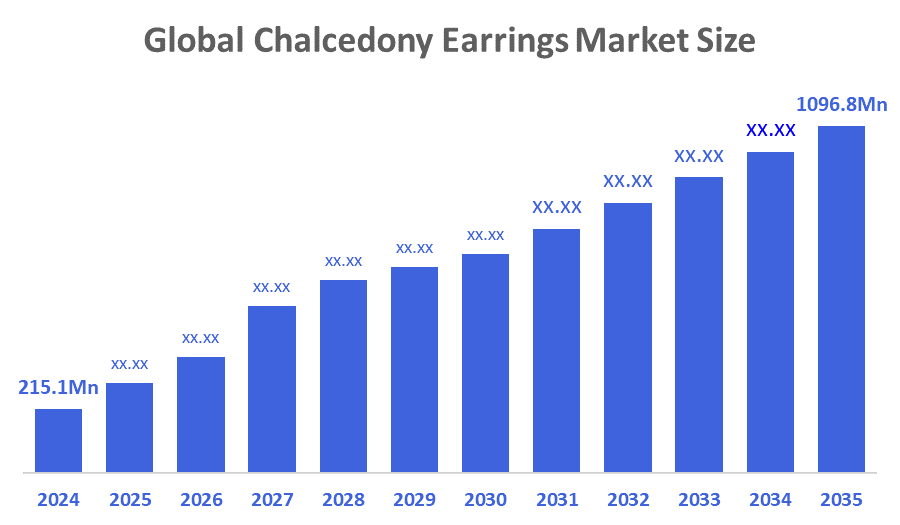
According To a Research Report Published By Decisions Advisors & Consulting, The Japan 3D Printing In Healthcare Market Size Is Anticipated To Reach USD 1096.8 Million By 2035, Growing At a CAGR of 15.96% From 2025 to 2035. The 3D Printing in Healthcare market in Japan is driven by increasing healthcare R&D spending, the quick uptake of bioprinting for tissue repair, the expanding demand for customized medical products, and government programs that encourage sophisticated manufacturing. Japan’s 3D printing in the healthcare market continues to expand with improved patient outcomes and cost-efficient solutions.
Market Overview
The 3D Printing in the Healthcare Industry uses additive manufacturing technology to manufacture medical products that are customized for patients. These products include Implants, prosthetics, surgical tools, anatomical models, and bioprinted tissues. The increase in demand for these types of Customs by the Japanese consumers is because of the ageing population, increased investments in Health R&D and development, and the growing trend toward personalized medicine. The Japanese government supports the use of 3D Printing Technology in Healthcare indirectly through the two national funding agencies, METI and MEXT, by providing funding through study grants for the purpose of Regenerative Medicine, Innovative Medical Devices, and Additive Manufacturing. The Japanese Government has allocated JPY 100 billion for Health Technology Innovation and the encouragement of Bioprinting, Customised Implants, and Surgical Models.
Furthermore, the Japanese Government has funded collaborative programmes between universities and industry. Through innovative incentives and legislative changes, public initiatives also promote the commercialization of 3D-printed medical technologies. There are strong business opportunities in 3D printing in different medical fields; specifically, orthopaedics, dental prosthetics, surgical planning models, and tissue engineering used to test new products and bioprinting products to provide new regenerative therapies.
Report Coverage
This research report categorizes the market for the Japan 3D Printing in Healthcare market based on various segments and regions, and forecasts revenue growth and analyses trends in each submarket. The report analyses the key growth drivers, opportunities, and challenges influencing the Japan 3D Printing in Healthcare market. Recent market developments and competitive strategies, such as expansion, product launch, development, partnership, merger, and acquisition, have been included to draw the competitive landscape in the market. The report strategically identifies and profiles the key market players and analyses their core competencies in each sub-segment of the Japan 3D Printing in Healthcare market.
Driving Factors
The 3D Printing in Healthcare market in Japan is driven by growing demand in alignment with an increased interest in personalized patient care through 3D printing, particularly for the growing number of elderly patients requiring specialized medicines and medical devices. The increased utilization of specialty-made implants and prosthetics, along with planning models, along with advancements in bioprinting, imaging methods and techniques, and additive manufacturing (3D Printing) have led to an increase in interest in and participation in 3D Printing in Hospitals and Research Facilities by Hospitals and Research Institutions.
Restraining Factors
The 3D Printing in Healthcare market in Japan is mostly constrained by high initial equipment costs, stringent regulatory approval procedures, limited reimbursement coverage, a lack of qualified personnel, difficulties in integrating hospitals with new technologies, and lengthy validation timelines.
Market Segmentation
The Japan 3D Printing in Healthcare market share is classified into material type and end user.
- The polymer segment accounted for the largest revenue market share in 2024 and is expected to grow at a significant CAGR during the forecast period.
The Japan 3D Printing in Healthcare market is segmented by material type into polymer, metals, ceramic, and organic. Among these, the polymer segment accounted for the largest revenue market share in 2024 and is expected to grow at a significant CAGR during the forecast period. Because polymers are inexpensive, biocompatible, easily printable, and appropriate for intricate anatomical features, they are frequently utilized in medical modeling, surgical guides, prosthetics, and dentistry applications. Market leadership is further reinforced by their quicker production time and regulatory approval in comparison to metals or ceramics.
- The medical and surgical centers segment accounted for the largest revenue share in 2024 and is expected to grow at a significant CAGR during the forecast period.
The Japan 3D Printing in Healthcare market is segmented by end user into medical and surgical centers, pharmaceutical and biotechnology companies, and academic institutions. Among these, the medical and surgical centers segment accounted for the largest revenue share in 2024 and is expected to grow at a significant CAGR during the forecast period. Hospitals are increasingly using 3D-printed anatomical models for surgery planning, as well as personalized implants and prosthetics to improve patient outcomes. This category contributes the most revenue due to its rapid acceptance of clinical applications, increased treatment volumes, and robust investment in cutting-edge medical technologies.
Competitive Analysis:
The report offers the appropriate analysis of the key organizations/companies involved within the Japan 3D Printing in Healthcare market, along with a comparative evaluation primarily based on their product offering, business overviews, geographic presence, enterprise strategies, segment market share, and SWOT analysis. The report also provides an elaborate analysis focusing on the current news and developments of the companies, which includes product development, innovations, joint ventures, partnerships, mergers & acquisitions, strategic alliances, and others. This allows for the evaluation of the overall competition within the market.
List of Key Companies
- Cyfuse Biomedical K.K
- Next 21
- Shibuya Kogyo
- Fujifilm Cellular Dynamics, Inc.
- Roland DG / DGSHAPE Corporation
- Materialise Japan
- FASOTEC
- SOLIZE
- Shimadzu Corporation
- Biomedical Modeling Inc.
- Others
Key Target Audience
- Market Players
- Investors
- End-users
- Government Authorities
- Consulting and Research Firm
- Venture capitalists
- Value-Added Resellers (VARs)
Recent Developments:
- In February 2025, Panasonic invested USD 100 million in an Israeli biotech company focused on 3D bioprinting technology and its application in regenerative medicine.
- In January 2025, Japan's Ministry of Health, Labour and Welfare (MHLW) announced a new 10-year funding program to foster drug innovation in Japan. The funding will include an emphasis on using 3D bioprinting to aid in drug screening and testing.
- In October 2024, Asahi Kasei will partner with Aquafil, an Italian company, with support from ITOCHU Corporation, to jointly develop advanced 3D printing materials that will consist of Aquafil’s ECONYL polymer, created from recycled polyamide waste, and Asahi Kasei’s cellulose nanofiber. This compound is designed for a high degree of formability and strength; therefore, it is expected to enhance the use of 3D printing within the medical field and create sustainable and innovative healthcare solutions in Japan.
Market Segment
This study forecasts revenue at the Japan, regional, and country levels from 2020 to 2035. Decisions Advisors has segmented the Japan 3D Printing in Healthcare market based on the below-mentioned segments:
Japan 3D Printing in Healthcare Market, By Material Type
- Polymer
- Metals
- Ceramic
- Organic
Japan 3D Printing in Healthcare Market, By End User
- Medical and Surgical Centers
- Pharmaceutical and Biotechnology Companies
- Academic Institutions
FAQ’s
Q: What is the Japan 3D Printing in Healthcare market size?
A: Japan 3D Printing in Healthcare market size is expected to grow from USD 215.1 million in 2024 to USD 1096.8 million by 2035, growing at a CAGR of 15.96% during the forecast period 2025-2035.
Q: What are the key growth drivers of the market?
A: Market growth is driven by growing demand in alignment with an increased interest in personalized patient care through 3D printing, particularly for the growing number of elderly patients requiring specialized medicines and medical devices. The increased utilization of specialty-made implants and prosthetics, along with planning models, along with advancements in bioprinting, imaging methods and techniques, and additive manufacturing (3D Printing) have led to an increase in interest in and participation in 3D Printing in Hospitals and Research Facilities by Hospitals and Research Institutions.
Q: What factors restrain the Japan 3D Printing in Healthcare market?
A: Constraints include high initial equipment costs, stringent regulatory approval procedures, limited reimbursement coverage, a lack of qualified personnel, difficulties in integrating hospitals with new technologies, and lengthy validation timelines.
Q: How is the market segmented by material type?
A: The market is segmented into polymer, metals, ceramic, and organic.
Q: Who are the key players in the Japan 3D Printing in Healthcare market?
A: Key companies include Cyfuse Biomedical K.K, Next 21, Shibuya Kogyo, Fujifilm Cellular Dynamics, Inc., Roland DG / DGSHAPE Corporation, Materialise Japan, FASOTEC, SOLIZE, Shimadzu Corporation, Biomedical Modeling Inc., and Others.
Q: Who are the target audiences for this market report?
A: The report targets market players, investors, end-users, government authorities, consulting and research firms, venture capitalists, and value-added resellers (VARs).
Check Licence
Choose the plan that fits you best: Single User, Multi-User, or Enterprise solutions tailored for your needs.
We Have You Covered
- 24/7 Analyst Support
- Clients Across the Globe
- Tailored Insights
- Technology Tracking
- Competitive Intelligence
- Custom Research
- Syndicated Market Studies
- Market Overview
- Market Segmentation
- Growth Drivers
- Market Opportunities
- Regulatory Insights
- Innovation & Sustainability
Report Details
| Scope | Country |
| Pages | 250 |
| Delivery | PDF & Excel via Email |
| Language | English |
| Release | Dec 2025 |
| Access | Download from this page |