
Japan Building Energy Simulation Software Market
 |
Pages:
150
|
Pages:
150
Japan Building Energy Simulation Software Market Size, Share, and COVID-19 Impact Analysis, By Deployment (On-Premises and Cloud-Based), By Application (Commercial Buildings, Residential Buildings, and Others), and Japan Building Energy Simulation Software Market Insights, Industry Trend, Forecasts to 2035
REPORT COVERAGE
Country
Japan Building Energy Simulation Software Market Insights Forecasts to 2035
- The Japan Building Energy Simulation Software Market size is expected to grow at a CAGR of around 13.5% from 2025 to 2035.
- The Japan Building Energy Simulation Software Market size is expected to hold a significant Share by 2035.
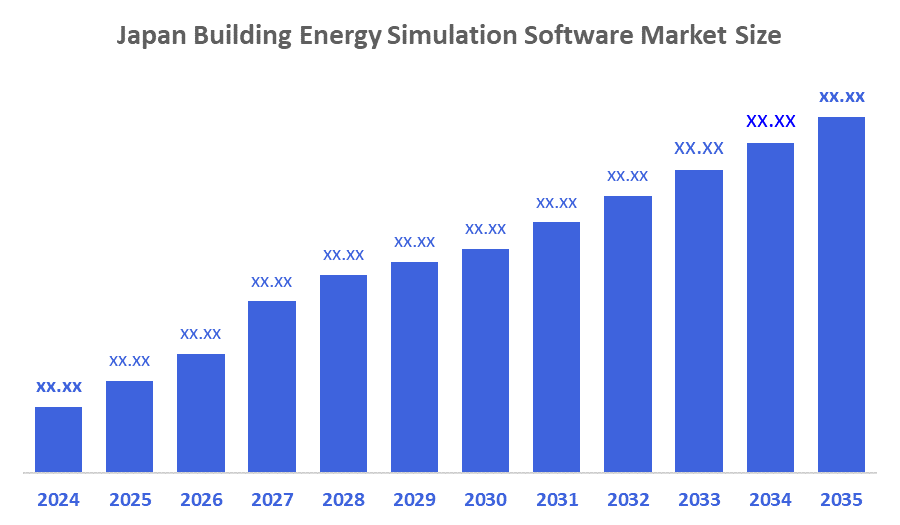
According To a Research Report Published By Decisions Advisors & Consulting, The Japan Building Energy Simulation Software Market Is Expected To Grow At a CAGR of 13.5% During The Forecast Period 2025-2035. The market is driven due to several factors, including stringent government regulations promoting energy efficiency, the increasing adoption of green building practices, and the need to reduce operational costs in buildings.
Market Overview
The Japan Building Energy Simulation Software Market incorporates the market performance and the market for the software used to model performance. This software helps professionals evaluate energy consumption, CO2 emissions, and other factors during the design and operation of buildings. By simulating energy use, the software helps design more energy-efficient buildings and customize the performance of the building. The Japan Building Energy Simulation Software Market presents strong opportunities due to increasing environmental awareness, increasing energy, and increasing green building practices. Promoting energy efficiency and progress in government rules promotes this development in information modeling (BIM). The BIM market is also experiencing strong growth in Japan, as it provides integrated digital tools that streamline workflows in architecture, engineering, and construction. These markets are closely linked to building energy simulation, as they leverage the data and insights from simulations to optimise building performance. Japanese government actions include mandatory Building Information Modeling (BIM) for public works by 2025, updating the Building Energy Efficiency Act, offering incentives for energy-saving solutions, and investing in R&D for technologies like AI and IoT, which integrate with energy simulation software.
Report Coverage
This research report categorizes the market for the Japan building energy simulation software market based on various segments and regions, and forecasts revenue growth and analyzes trends in each submarket. The report analyses the key growth drivers, opportunities, and challenges influencing the Japan building energy simulation software market. Recent market developments and competitive strategies such as expansion, product launch, and development, partnership, merger, and acquisition have been included to draw the competitive landscape in the market. The report strategically identifies and profiles the key market players and analyses their core competencies in each sub-segment of the Japan building energy simulation software market.
Driving Factors
Japan's building energy simulation software market is primarily driven by increasing energy costs, the need to boost energy efficiency due to stricter government regulations, and the growing emphasis on sustainable building practices. Progress in BIM and simulation technologies, along with the integration of smart technologies, is also contributing to its development.
Restraining Factors
Japan's building energy simulation software faces restraint with high deployment costs in the market, interoperability issues with BIM and CAD, and accuracy in accuracy. In addition, a lack of awareness about software and its abilities also hinders market development.
Market Segmentation
The Japan building energy simulation software market share is classified into deployment and application.
- The cloud-based segment held the largest share in 2024 and is expected to grow at a significant CAGR during the forecast period.
The Japan building energy simulation software market is segmented by deployment into on-premises and cloud-based. Among these, the cloud-based segment held the largest share in 2024 and is expected to grow at a significant CAGR during the forecast period. This shift is primarily driven by the advantages cloud solutions offer in terms of scalability, cost-effectiveness, and accessibility, particularly for small and medium-sized enterprises (SMEs).
- The commercial buildings segment dominated the market share in 2024 and is expected to grow at a significant CAGR during the forecast period.
The Japan building energy simulation software market is segmented by application into commercial buildings, residential buildings, and others. Among these, the commercial buildings segment dominated the market share in 2024 and is expected to grow at a significant CAGR during the forecast period. This is primarily due to the higher energy consumption and greater complexity of commercial structures, which necessitate sophisticated simulation tools for optimization. Furthermore, stringent building codes and sustainability targets in the commercial real estate sector drive the demand for advanced simulation software.
Competitive Analysis:
The report offers the appropriate analysis of the key organizations/companies involved within the Japan building energy simulation software market along with a comparative evaluation primarily based on their product offering, business overviews, geographic presence, enterprise strategies, segment market share, and SWOT analysis. The report also provides an elaborative analysis focusing on the current news and developments of the companies, which includes product development, innovations, joint ventures, partnerships, mergers & acquisitions, strategic alliances, and others. This allows for the evaluation of the overall competition within the market.
List of Key Companies
- Hitachi Ltd.
- Mitsubishi Electric Corporation
- Toshiba
- Obayashi Corporation
- Nichias Corporation
- Others
Key Target Audience
- Market Players
- Investors
- End-users
- Government Authorities
- Consulting and Research Firm
- Venture capitalists
- Value-Added Resellers (VARs)
Market Segment
This study forecasts revenue at Japan, regional, and country levels from 2020 to 2035. Decisions Advisors has segmented the Japan building energy simulation software market based on the below-mentioned segments:
Japan Building Energy Simulation Software Market, By Deployment
- On premises
- Cloud-Based
Japan Building Energy Simulation Software Market, By Application
- Commercial Buildings
- Residential Buildings
- Others
FAQ’s
Q: What is building energy simulation software?
A: Building energy simulation software is a digital tool used to model and analyze a building’s energy performance. It evaluates factors such as energy consumption, HVAC performance, thermal behavior, and CO? emissions to help design energy-efficient buildings.
Q: What is the expected CAGR of the Japan Building Energy Simulation Software Market?
A: The Japan Building Energy Simulation Software Market is projected to grow at a CAGR of 13.5% from 2025 to 2035.
Q: What factors are driving the growth of this market in Japan?
A: Key drivers include stringent government energy-efficiency regulations, increasing adoption of green building standards, rising energy costs, and advancements in BIM and simulation technologies.
Q: Which deployment segment holds the largest market share?
A: The cloud-based deployment segment held the largest share in 2024 due to its cost-effectiveness, scalability, and accessibility, particularly benefiting SMEs.
Q: Which application segment dominates the Japan market?
A: The commercial buildings segment dominated the market in 2024 and is expected to continue growing significantly. This is due to high energy consumption and the need for advanced optimization tools in commercial infrastructures.
Q: What are the major restraining factors for market growth?
A: Key restraints include high deployment costs, interoperability issues with BIM and CAD tools, accuracy concerns, and lack of awareness among some end-users about the benefits of simulation software.
Q: Who are the key market players in Japan?
A: Major players include Hitachi Ltd., Mitsubishi Electric Corporation, Toshiba, Obayashi Corporation, Nichias Corporation, and others operating in energy, construction, and digital solutions.
Check Licence
Choose the plan that fits you best: Single User, Multi-User, or Enterprise solutions tailored for your needs.
We Have You Covered
- 24/7 Analyst Support
- Clients Across the Globe
- Tailored Insights
- Technology Tracking
- Competitive Intelligence
- Custom Research
- Syndicated Market Studies
- Market Overview
- Market Segmentation
- Growth Drivers
- Market Opportunities
- Regulatory Insights
- Innovation & Sustainability
Report Details
| Scope | Country |
| Pages | 150 |
| Delivery | PDF & Excel via Email |
| Language | English |
| Release | Dec 2025 |
| Access | Download from this page |