
Japan Vacuum Cleaner Market
 |
Author:
Nikita K
|
Pages:
180
|
Author:
Nikita K
|
Pages:
180
Japan Vacuum Cleaner Market Size, Share, and COVID-19 Impact Analysis, By Product Type (Canister, Central, Drum, Robotic, Upright, Wet & Dry, and Others), By Application (Residential, Commercial, Industrial, and Others), and Japan Vacuum Cleaner Market Insights, Industry Trend, Forecasts to 2035
CAGR
11.36%
REVENUE 2024
USD Million 1106.7
FORECAST 2035
USD Million 3614.2
REPORT COVERAGE
Country
Japan Vacuum Cleaner Market Insights Forecasts to 2035
- The Japan Vacuum Cleaner Market Size Was Estimated at USD 1106.7 Million in 2024
- The Market Size is Expected to Grow at a CAGR of Around 11.36% from 2025 to 2035
- The Japan Vacuum Cleaner Market Size is Expected to Reach USD 3614.2 Million by 2035
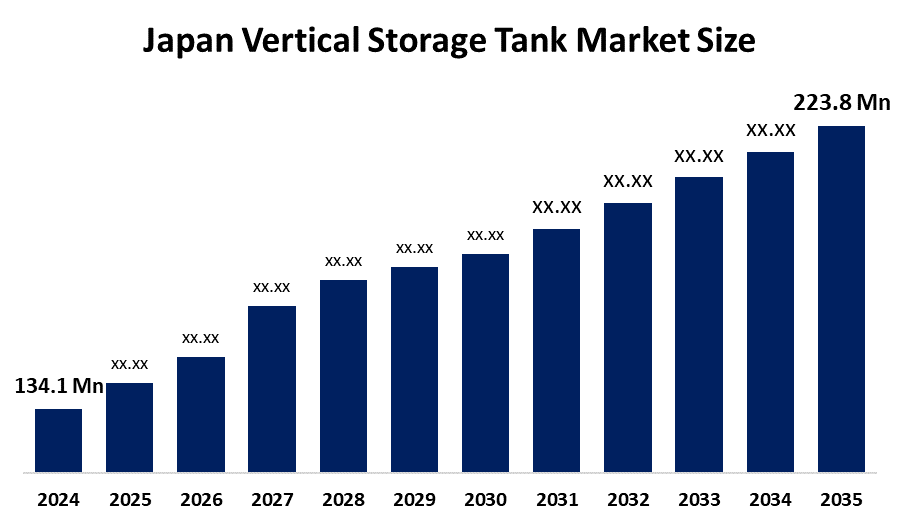
According to a research report published by Decision Advisor & Consulting, The Japan Vacuum Cleaner Market Size is anticipated to reach USD 3614.2 million by 2035, growing at a CAGR of 11.36% from 2025 to 2035. The vacuum cleaner market in Japan is driven by rising disposable incomes, growing adoption of robotic cleaners, expanding smart homes, compact living spaces, and Japan’s strong cleanliness culture, which together boost demand for advanced, efficient cleaning solutions.
Market Overview
The Vacuum Cleaner Market Size depicts the overall industry, which takes part in the manufacture, distribution, and retailing of machines that employ suction for the effective removal of mainly, but not limited to, floors, carpets, and surfaces, dust, dirt, and debris. The market for vacuum cleaners in Japan is increasing in size, and demand for advanced cleaning solutions is boosted by factors like higher disposable incomes, urbanization, the increase of smart homes, and the preference for compact living spaces. Robotic vacuum cleaners, particularly those with AI-driven technology and IoT connectivity, are part of the trend since they provide automation, convenience, and seamless integration with already existing smart systems. The local authorities, such as the program Tokyo Zero Emission Point in Tokyo, give back to consumers the amount of up to ¥80,000 for changing old appliances with energy-efficient ones, thus the upgrades to modern home appliances are encouraged. Furthermore, the funds of the government for energy-saving support are being disbursed in such a way that the households are getting the most efficient equipment; thus, the consumers' purchasing power for the advanced appliances is being increased. Some of the opportunities in the market are the growth of online sales channels, the aging population's preference for easy-to-use devices, and the improvement of product features suitable for the Japanese housing environment. The recently launched products and the expansion of the market confirm the strong innovation and the consumer acceptance of automated cleaning solutions.
Report Coverage
This research report categorizes the market for the Japan vacuum cleaner market based on various segments and regions, and forecasts revenue growth and analyses trends in each submarket. The report analyses the key growth drivers, opportunities, and challenges influencing the Japan vacuum cleaner market. Recent market developments and competitive strategies, such as expansion, product launch, development, partnership, merger, and acquisition, have been included to draw the competitive landscape in the market. The report strategically identifies and profiles the key market players and analyses their core competencies in each sub-segment of the Japan vacuum cleaner market.
Driving Factors
The vacuum cleaner market in Japan is driven by the increasing of disposable incomes, smart home adoption, and the preference of consumers for cleaning robots and other automated devices. Urbanization and small living spaces create a greater demand for multifunctional vacuum cleaners that are also space-efficient. Furthermore, the Japanese cultural norm of cleanliness drives the use of cleaning gadgets to a high frequency. The happening of technology, such as AI navigation, IoT connectivity, and eco-friendly designs, makes it easier and better-performing, creating a huge market across the residential and commercial segments.
Restraining Factors
The vacuum cleaner market in Japan is mostly constrained by high prices, in some areas lack of sufficient disposable income, and already saturated markets in cities. Besides this, great competition, fast technological change, and the consumer's liking for multifunctional products are the factors that lead to the challenge of continued market growth.
Market Segmentation
The Japan vacuum cleaner market share is classified into product type and application.
- The robotic segment accounted for the largest revenue market share in 2024 and is expected to grow at a significant CAGR during the forecast period.
The Japan vacuum cleaner market is segmented by product type into canister, central, drum, robotic, upright, wet & dry, and others. Among these, the robotic segment accounted for the largest revenue market share in 2024 and is expected to grow at a significant CAGR during the forecast period. Because of Japan's small living spaces, hectic lives, and widespread use of smart-home technologies, the robotic vacuum cleaner category has dominated the market. Robots with AI capabilities and IoT integration provide easy, self-sufficient cleaning, satisfying consumer demands for effectiveness and cleanliness.
- The residential segment accounted for the largest revenue share in 2024 and is expected to grow at a significant CAGR during the forecast period.
The Japan vacuum cleaner market is segmented by application into residential, commercial, industrial, and others. Among these, the residential segment accounted for the largest revenue share in 2024 and is expected to grow at a significant CAGR during the forecast period. Strong household demand is driven by rising disposable incomes, growing smart-home adoption, and a cultural emphasis on cleanliness. The adoption of robotic and automatic vacuum cleaners is encouraged by small living spaces and hectic lives, making residential applications the biggest source of income.
Competitive Analysis:
The report offers the appropriate analysis of the key organizations/companies involved within the Japan vacuum cleaner market, along with a comparative evaluation primarily based on their product offering, business overviews, geographic presence, enterprise strategies, segment market share, and SWOT analysis. The report also provides an elaborate analysis focusing on the current news and developments of the companies, which includes product development, innovations, joint ventures, partnerships, mergers & acquisitions, strategic alliances, and others. This allows for the evaluation of the overall competition within the market.
List of Key Companies
- Panasonic Corporation
- Hitachi Ltd.
- Sharp Corporation
- Toshiba Corporation
- Mitsubishi Electric Corporation
- Makita Corporation
- IRIS OHYAMA Inc.
- Niikura Corporation
- YAMATO TOOLS Co., Ltd.
- Twinbird Corporation
- Others
Key Target Audience
- Market Players
- Investors
- End-users
- Government Authorities
- Consulting and Research Firm
- Venture capitalists
- Value-Added Resellers (VARs)
Recent Developments:
- In September 2025, UWANT introduced the V500 Self-Emptying Vacuum Cleaner in Japan, featuring cutting-edge self-emptying and pet-friendly capabilities, with a retail price of ¥20,000.
- In April 2025, iRobot Japan revealed a complete Roomba model lineup overhaul, consisting of new robotic vacuums with enhanced features for attracting more households to the brand.
Market Segment
This study forecasts revenue at the Japan, regional, and country levels from 2020 to 2035. Decision Advisor has segmented the Japan vacuum cleaner market based on the below-mentioned segments:
Japan Vacuum Cleaner Market, By Product Type
- Canister
- Central
- Drum
- Robotic
- Upright
- Wet & Dry
- Others
Japan Vacuum Cleaner Market, By Application
- Residential
- Commercial
- Industrial
- Others
FAQ’s
Q: What is the Japan vacuum cleaner market size?
A: Japan vacuum cleaner market size is expected to grow from USD 1106.7 million in 2024 to USD 3614.2 million by 2035, growing at a CAGR of 11.36% during the forecast period 2025-2035.
Q: What are the key growth drivers of the market?
A: Market growth is driven by the increasing of disposable incomes, smart home adoption, and the preference of consumers for cleaning robots and other automated devices. Urbanization and small living spaces create a greater demand for multifunctional vacuum cleaners that are also space-efficient. Furthermore, the Japanese cultural norm of cleanliness drives the use of cleaning gadgets to a high frequency.
Q: What factors restrain the Japan vacuum cleaner market?
A: Constraints include high prices, in some areas lack of sufficient disposable income, and already saturated markets in cities.
Q: How is the market segmented by product type?
A: The market is segmented into canister, central, drum, robotic, upright, wet & dry, and others.
Q: Who are the key players in the Japan vacuum cleaner market?
A: Key companies include Panasonic Corporation, Hitachi Ltd., Sharp Corporation, Toshiba Corporation, Mitsubishi Electric Corporation, Makita Corporation, IRIS OHYAMA Inc., Niikura Corporation, YAMATO TOOLS Co., Ltd., Twinbird Corporation, and Others.
Q: Who are the target audiences for this market report?
A: The report targets market players, investors, end-users, government authorities, consulting and research firms, venture capitalists, and value-added resellers (VARs).
Check Licence
Choose the plan that fits you best: Single User, Multi-User, or Enterprise solutions tailored for your needs.
We Have You Covered
- 24/7 Analyst Support
- Clients Across the Globe
- Tailored Insights
- Technology Tracking
- Competitive Intelligence
- Custom Research
- Syndicated Market Studies
- Market Overview
- Market Segmentation
- Growth Drivers
- Market Opportunities
- Regulatory Insights
- Innovation & Sustainability
Report Details
| Scope | Country |
| Pages | 180 |
| Delivery | PDF & Excel via Email |
| Language | English |
| Release | Dec 2025 |
| Access | Download from this page |