
Global Meperidine Market
 |
Author:
David J
|
Pages:
240
|
Author:
David J
|
Pages:
240
Global Meperidine Market Size, Share, By Application (Pain Management, Anesthesia, Cough Suppression), By Dosage Form (Injectable, Tablet, Liquid), By End Use (Hospitals, Clinics, Home Care), and By Region (North America, Europe, Asia-Pacific, Latin America, Middle East & Africa), Analysis and Forecast 2026-2035
CAGR
4.03%
REVENUE 2025
USD Billion 1.01
FORECAST 2035
USD Billion 1.5
REPORT COVERAGE
Global
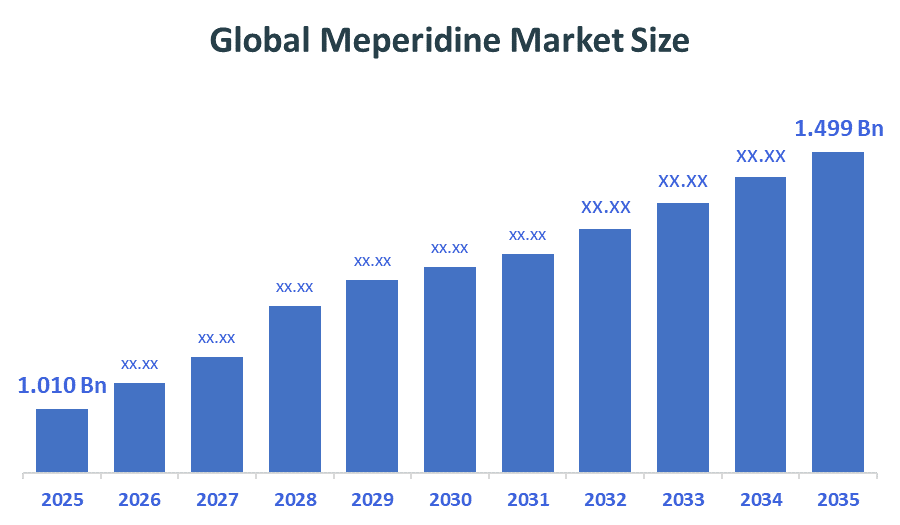
The Global Meperidine Market Size is forecast to grow from USD 1.010 Billion in 2025 to approximately USD 1.499 Billion by 2035. According to Decision Advisors, a detailed research report on the Meperidine market indicates that generic expansion dominates the market, accounting for approximately 60-65% of the total share globally. Pfizer Inc. the market with an estimated 20-25% global market share. The company reported a 2025 revenue of approximately USD 58-60 billion, making it one of the most influential forces shaping industry trends and overall market growth.
Market Snapshot
- Global Meperidine Market Size (2025): USD 1.010 Billion
- Projected Global Meperidine Market Size (2035): USD 1.499 Billion
- Global Meperidine market Compound Annual Growth Rate (CAGR): 4.03%
- Largest Regional Market: North America
- Fastest Growing Region: Asia-Pacific
- 2nd Largest Region: Europe
- Base Year: 2025
- Historical Period: 2021–2024
- Forecast Period: 2026–2035
Market Overview/ Introduction
The global Meperidine market refers to the worldwide industry focused on the production, distribution, and clinical use of Meperidine, an opioid analgesic used for moderate to severe pain relief and anesthesia support. Meperidine is a fast-acting synthetic opioid commonly administered in surgical and emergency settings. Market growth is driven by rising surgical procedures, increasing trauma cases, and demand for effective pain management solutions. Future opportunities lie in improved drug formulations, safer opioid alternatives, and expansion in emerging healthcare markets. Technological advancements in drug delivery systems and stricter regulatory frameworks are also shaping the global Meperidine market, ensuring controlled use while supporting steady demand growth worldwide.
- The WHO’s updated global guidelines focus on safe opioid use, overdose prevention, and improved access to treatment. They promote evidence-based therapies like opioid agonist treatment and expand access to care for millions lacking treatment. This supports controlled use of opioids such as Meperidine while reducing misuse and mortality globally.
- The CDC guideline promotes safe prescribing of opioids for pain management, emphasizing minimal effective dosing and prioritizing non-opioid therapies. It helps regulate opioid use in clinical settings, directly impacting Meperidine demand by encouraging cautious prescribing practices and reducing misuse while ensuring patient access to necessary pain relief.
Notable Insights: -
- North America is anticipated to hold the largest share of approximately 45% in the Meperidine market over the forecast period.
- Asia Pacific is expected to grow at a rapid CAGR of approximately 7.5% in the Meperidine market during the forecast period.
- The pain management treatment segment dominated the market in 2025, approximately 45%, and is projected to grow at a substantial CAGR during the forecast period.
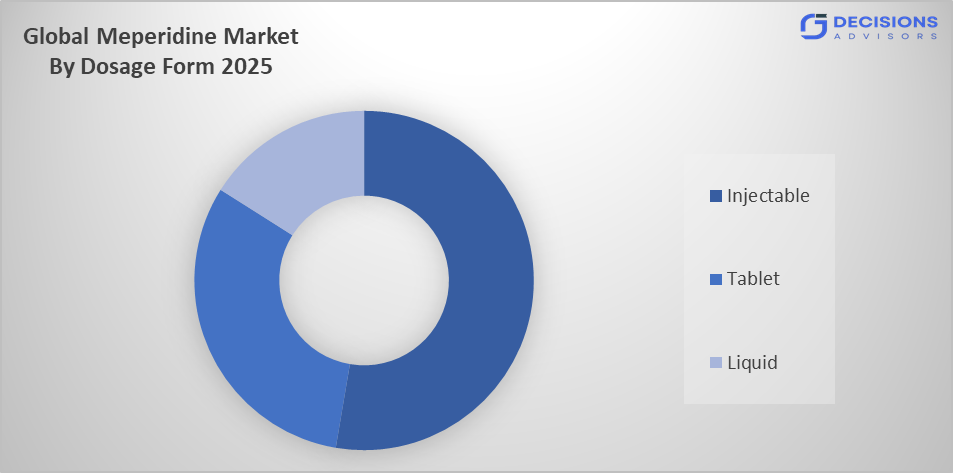
- The injectable segment dominated the market in 2025, approximately 58%, and is projected to grow at a substantial CAGR during the forecast period.
- The hospitals segment dominated the market in 2025, approximately 55%, and is projected to grow at a substantial CAGR during the forecast period.
- The compound annual growth rate of the Global Meperidine Market is 4.03%.
- The market is likely to achieve a valuation of USD 1.499 Billion by 2035.
What is role of technology in grooming the market?
Technology plays a crucial role in shaping the global Meperidine market by enhancing safety, efficiency, and regulatory compliance. Advanced manufacturing technologies improve drug quality, consistency, and cost-effectiveness, supporting reliable supply. Digital health solutions such as electronic prescribing (e-prescriptions) and integrated hospital information systems help monitor opioid usage, reduce prescription errors, and prevent misuse. Additionally, real-time data tracking and pharmacovigilance platforms enable better surveillance of adverse effects, ensuring patient safety. Innovations in drug delivery systems, including controlled and injectable formulations, further optimize clinical outcomes. Supply chain technologies like blockchain and inventory management systems enhance transparency and reduce distribution inefficiencies. Overall, technology supports responsible usage, strengthens compliance with strict regulations, and improves accessibility, thereby contributing to steady and sustainable market development globally.
Market Drivers
The global Meperidine market is driven by rising demand for effective acute pain management in surgical and emergency settings. Increasing numbers of surgeries, trauma cases, and hospital admissions support its continued clinical use. Growth in healthcare infrastructure, particularly in emerging economies, enhances accessibility to essential analgesics. Additionally, its rapid onset of action makes it valuable in controlled medical environments such as anesthesia and post-operative care. Ongoing improvements in hospital supply chains and the availability of generic formulations also contribute to steady demand. Despite regulatory controls, its role in specific medical applications continues to sustain market growth globally.
Restrain
The global Meperidine market faces restraints due to strict opioid regulations, risk of dependency, and increasing preference for safer alternatives. Adverse side effects and declining clinical recommendations limit its usage, while stringent monitoring and prescription controls reduce accessibility, ultimately slowing market growth across both developed and emerging regions.
Competitive Analysis:
The report offers the appropriate analysis of the key organizations/companies involved within the global meperidine market, along with a comparative evaluation primarily based on their product offerings, business overviews, geographic presence, enterprise strategies, segment market share, and SWOT analysis. The report also provides an elaborative analysis focusing on the current news and developments of the companies, which includes product development, innovations, joint ventures, partnerships, mergers & acquisitions, strategic alliances, and others. This allows for the evaluation of the overall competition within the market.
Top Companies in Global Meperidine Market
- Pfizer Inc.
- Mallinckrodt Pharmaceuticals
- Teva Pharmaceutical Industries Ltd.
- Hikma Pharmaceuticals PLC
- Sanofi
- Sun Pharmaceutical Industries Ltd.
- Endo Pharmaceuticals Inc.
- Sandoz (Novartis AG)
- Mylan N.V.
- Fresenius Kabi
- Epic Pharma LLC
- Aurobindo Pharma Ltd.
Government Initiatives
|
Country |
Key Government Initiatives |
|
US |
The U.S. government strengthened opioid regulation through the Centers for Disease Control and Prevention opioid prescribing guideline (2022), promoting safe dosage, monitoring, and reduced misuse. It supports controlled use of opioids like Meperidine in clinical settings while preventing dependency risks. |
|
UK |
The UK government, via the MHRA and NHS, enhanced opioid stewardship programs and issued updated prescribing restrictions to reduce dependency risks, while promoting safer alternatives for acute pain management. |
|
China |
China strengthened opioid control policies under the National Medical Products Administration (NMPA), focusing on hospital-based prescription monitoring and tighter supply chain controls for narcotic analgesics. |
Study on the Supply, Demand, Distribution, and Market Environment of the Meperidine market
The global Meperidine market is shaped by a tightly regulated supply chain, controlled demand patterns, and a structured distribution environment. Supply is largely dependent on licensed pharmaceutical manufacturers complying with stringent opioid production quotas and quality standards. Demand is primarily driven by hospitals and emergency care settings where meperidine is used for acute pain and anesthesia support, although it is gradually declining due to safer alternatives. Distribution occurs through regulated hospital pharmacies and authorized medical channels, ensuring restricted access and minimizing misuse. The market environment is heavily influenced by global opioid regulations, pharmacovigilance policies, and shifting clinical guidelines that limit routine usage. Despite these constraints, emerging markets with improving healthcare infrastructure continue to create moderate demand, maintaining a balanced but cautious market outlook.
Price Analysis and Consumer Behaviour Analysis
Price analysis and consumer behavior in the global Meperidine market are influenced by regulatory control, hospital demand, and shifting pain management practices. Pricing remains relatively controlled due to prescription-only status and strict opioid regulations, with costs varying by formulation (injectable vs. oral) and healthcare setting. Hospital procurement and bulk purchasing significantly impact price stability. On the consumer side, demand is primarily institutional rather than individual, driven by surgical procedures and acute pain cases. However, increasing preference for alternative opioids and non-opioid analgesics is shaping purchasing decisions. Studies indicate that prescribing behavior varies across demographics and institutions, reflecting cautious opioid use and clinical guidelines. Overall, consumer behavior is becoming more safety-focused, while pricing remains regulated and dependent on healthcare system dynamics and supply chain factors.
Market Segmentation
The Meperidine Market share is classified into application, dosage form, and end user.
- The pain management segment dominated the market in 2025, approximately 45%, and is projected to grow at a substantial CAGR during the forecast period.
Based on the application, the meperidine market is divided into pain management, anesthesia, and cough suppression. Among these, the pain management segment dominated the market in 2025, with approximately 45%, and is projected to grow at a substantial CAGR during the forecast period. The growth of the pain management segment is driven by its extensive use in treating acute and post-operative pain. The drug’s rapid onset and effectiveness in emergency and surgical settings drive demand. Rising surgical procedures, trauma cases, and chronic pain prevalence further strengthen this segment’s leadership.
- The injectable segment dominated the market in 2025, approximately 58%, and is projected to grow at a substantial CAGR during the forecast period.
Based on the dosage form, the meperidine market is divided into injectable, tablet, and liquid. Among these, the injectable segment dominated the market in 2025, approximately 58%, and is projected to grow at a substantial CAGR during the forecast period. The injectable segment dominated due to they provide immediate pain relief and precise dose control in hospitals. Their rapid bioavailability makes them essential in surgeries, emergency care, and acute pain scenarios. Strong preference in clinical settings and critical care environments sustains this segment’s dominance.
- The hospitals segment dominated the market in 2025, approximately 55%, and is projected to grow at a substantial CAGR during the forecast period.
Based on the end user, the meperidine market is divided into hospitals, clinics, and home care. Among these, the hospitals segment dominated the market in 2025, approximately 55%, and is projected to grow at a substantial CAGR during the forecast period. The growth of the hospitals segment is due to high surgical volumes, emergency care demand, and strict opioid administration protocols. Meperidine is primarily used under medical supervision for acute pain and anesthesia in hospital settings. Advanced infrastructure, skilled professionals, and controlled drug handling reinforce hospital dominance.
Strategies to Implement for Growth of the Market in Non-Leading Regions
Strategies to drive growth in non-leading regions of the global Meperidine market focus on improving access, affordability, and safe usage. Expanding healthcare infrastructure, including hospitals and surgical centers, increases demand for effective pain management solutions. Strengthening regulatory frameworks and physician training programs ensures responsible opioid prescribing, reducing misuse concerns while maintaining clinical relevance. Additionally, partnerships between global pharmaceutical companies and local manufacturers can enhance distribution networks and lower production costs, making meperidine more accessible in emerging economies. Investment in awareness campaigns about acute pain management and the appropriate role of opioids further supports adoption. Integration of digital health technologies, such as e-prescriptions and monitoring systems, also helps track usage and ensure compliance. Together, these strategies create a balanced approach to expanding market presence while prioritizing patient safety and regulatory alignment.
Regional Segment Analysis of the Meperidine Market
- North America (U.S., Canada, Mexico)
- Europe (Germany, France, U.K., Italy, Spain, Rest of Europe)
- Asia-Pacific (China, Japan, India, Rest of APAC)
- South America (Brazil and the Rest of South America)
- The Middle East and Africa (UAE, South Africa, Rest of MEA)
North America is anticipated to hold the largest share of approximately 45% the meperidine market over the forecast period.
North America is anticipated to hold the largest share of approximately 45% the meperidine market over the forecast period. The dominance of this region is driven by advanced healthcare infrastructure, high surgical volumes, and strong availability of opioid analgesics. Favourable reimbursement systems and established clinical protocols for pain management further support demand. Additionally, the presence of major pharmaceutical companies strengthens regional market leadership.
Asia Pacific is expected to grow at a rapid CAGR of approximately 7.5% in the meperidine market during the forecast period.
Asia Pacific is expected to grow at a rapid CAGR of approximately 7.5% in the meperidine market during the forecast period. This growth is fueled by improving healthcare infrastructure and rising access to pain management therapies. Increasing surgical procedures, growing population, and expanding medical tourism drive demand. Government healthcare investments and awareness about pain treatment further accelerate regional market growth.
Europe is the 2nd largest region to grow in the meperidine market during the period.
Europe ranks as the second-largest region in the Meperidine market due to well-established healthcare systems, rising surgical procedures, and strong pain management practices. Increasing elderly population and chronic disease prevalence boost demand. Strict regulatory oversight ensures controlled opioid use, while continuous improvements in hospital infrastructure and access to advanced therapies support steady market growth.
Future Market Trends in Global Meperidine Market: -
1. Shift Toward Non-Opioid Alternatives
A major future trend in the global Meperidine market is the gradual shift toward non-opioid and safer analgesics. Increasing concerns about addiction, side effects, and regulatory scrutiny are pushing healthcare providers to adopt alternative pain management approaches. This trend is expected to reduce overall demand while repositioning meperidine for limited, specialized clinical use.
2. Growth in Hospital-Based Niche Applications
Meperidine will continue to maintain relevance in specific hospital settings such as post-operative care and anesthesia. Its rapid onset and short duration make it suitable for acute pain and procedural use. Rising surgical volumes and emergency care cases globally will sustain demand in these niche segments despite broader market decline.
3. Development of Safer Formulations & Monitoring Systems
Future trends include the introduction of improved formulations and stricter prescription monitoring systems. Pharmaceutical companies are focusing on abuse-deterrent and extended-release versions to enhance safety and compliance. Additionally, digital tools like prescription monitoring programs and electronic health records will support controlled usage and reduce misuse risks.
Recent Development
- In August 2025, Fresenius Kabi expanded its hospital-focused portfolio by acquiring specialized controlled injectable products to strengthen pain management offerings. The move supported broader access to critical care medicines and reinforced its position in injectable opioids and related therapies, indirectly influencing markets such as Meperidine.
- In March 2025, global hospital procurement trends indicated a gradual shift toward generic opioid suppliers as major pharmaceutical companies, including Pfizer, adjusted production strategies. Firms like Hikma Pharmaceuticals gained traction, reflecting broader supply diversification across the opioid analgesics market, including Meperidine.
- In February 2025, Eli Lilly and Company announced a major expansion of its U.S. manufacturing network, investing billions to build new API-focused facilities and extend parenteral production capacity. The initiative aimed to strengthen supply chains and support future drug production, indirectly benefiting controlled substance manufacturing capabilities, including opioid analgesics like Meperidine.
How is Recent Developments Helping the Market?
Recent developments are significantly supporting growth in the global Meperidine market by improving safety, accessibility, and clinical relevance. Advances in pharmaceutical manufacturing have enhanced drug purity and quality control, ensuring consistent efficacy in pain management. Additionally, updated clinical guidelines and monitoring systems are promoting more controlled and responsible opioid usage, reducing misuse risks while maintaining demand in surgical and acute care settings. Technological integration, such as electronic prescribing and patient monitoring tools, has streamlined distribution and usage tracking. Moreover, increased investments in hospital infrastructure, especially in emerging economies, are boosting the availability of essential analgesics like meperidine. Regulatory refinements and pharmacovigilance initiatives are also helping manufacturers align with global safety standards, thereby strengthening market confidence and supporting steady growth trajectories.
Market Segment
This study forecasts revenue at global, regional, and country levels from 2020 to 2035. Decision Advisors has segmented the Meperidine market based on the below-mentioned segments:
Global Meperidine Market, By Application
- Pain Management
- Anesthesia
- Cough Suppression
Global Meperidine Market, By Dosage Form
- Injectable
- Tablet
- Liquid
Global Meperidine Market, By End User
- Hospitals
- Clinics
- Home Care
Global Meperidine Market, By Regional Analysis
- North America
- US
- Canada
- Mexico
- Europe
- Germany
- UK
- France
- Italy
- Spain
- Russia
- Rest of Europe
- Asia Pacific
- China
- Japan
- India
- South Korea
- Australia
- Rest of Asia Pacific
- South America
- Brazil
- Argentina
- Rest of South America
- Middle East & Africa
- UAE
- Saudi Arabia
- Qatar
- South Africa
- Rest of the Middle East & Africa
Frequently Asked Questions (FAQ)
Q. How do regulatory differences across regions impact the global Meperidine market?
A. Regulatory frameworks vary significantly across regions, directly influencing Meperidine usage and availability. North America and Europe enforce strict opioid prescribing and monitoring systems, limiting widespread use. In contrast, some emerging markets maintain relatively flexible access for medical necessity, supporting moderate demand. These regulatory differences create an uneven global landscape, where compliance costs, approval timelines, and prescription controls shape both supply chains and market expansion strategies.
Q. What role do generic manufacturers play in shaping the competitive dynamics of the Meperidine market?
A. Generic manufacturers play a dominant role by ensuring affordability and consistent supply of Meperidine. Their cost-efficient production capabilities allow hospitals and healthcare systems to procure essential analgesics at lower prices. This intensifies price competition, reduces dependency on branded products, and shifts market power toward companies with strong distribution networks and regulatory compliance in multiple regions.
Q. How is the shift toward outpatient and ambulatory care affecting Meperidine demand?
A. The rise of outpatient and ambulatory surgical centers is gradually influencing Meperidine demand patterns. These settings prefer shorter-acting, easily manageable analgesics with minimal side effects. While Meperidine still holds relevance in controlled hospital environments, its use may decline in outpatient care due to safety concerns and the availability of alternative pain management options, thereby reshaping overall demand distribution.
Q. What are the key supply chain challenges faced in the global Meperidine market?
A. The Meperidine market faces supply chain challenges due to strict regulatory controls on opioid production, including manufacturing quotas and licensing requirements. Limited approved suppliers, compliance with narcotic regulations, and complex distribution protocols can cause supply constraints. Additionally, geopolitical factors and raw material sourcing issues may disrupt production, impacting availability in certain regions.
Check Licence
Choose the plan that fits you best: Single User, Multi-User, or Enterprise solutions tailored for your needs.
We Have You Covered
- 24/7 Analyst Support
- Clients Across the Globe
- Tailored Insights
- Technology Tracking
- Competitive Intelligence
- Custom Research
- Syndicated Market Studies
- Market Overview
- Market Segmentation
- Growth Drivers
- Market Opportunities
- Regulatory Insights
- Innovation & Sustainability
Report Details
| Scope | Global |
| Pages | 240 |
| Delivery | PDF & Excel via Email |
| Language | English |
| Release | Apr 2026 |
| Access | Download from this page |