
Global Polycythemia Market
 |
Pages:
240
|
Pages:
240
Global Polycythemia Market Size, Share, and COVID-19 Impact Analysis, By Type (Primary polycythemia, Secondary polycythemia, and Pseudo polycythemia), By Treatment (Phlebotomy, Aspirin, Myelosuppressive Agents, Selective Serotonin Reuptake Inhibitor, and Others) and By Region (North America, Europe, Asia-Pacific, Latin America, Middle East, and Africa), Analysis and Forecast 2025 - 2035
REPORT COVERAGE
Global
Global Polycythemia Market Insights Forecasts to 2035
- The Global Polycythemia Market Size Was valued at USD 1.85 Billion in 2024
- The Global Polycythemia Market Size is Expected to Grow at a CAGR of around 7.81% from 2025 to 2035
- The Worldwide Polycythemia Market Size is Expected to Reach USD 4.23 Billion by 2035
- Asia-Pacific is expected to grow the fastest during the forecast period.
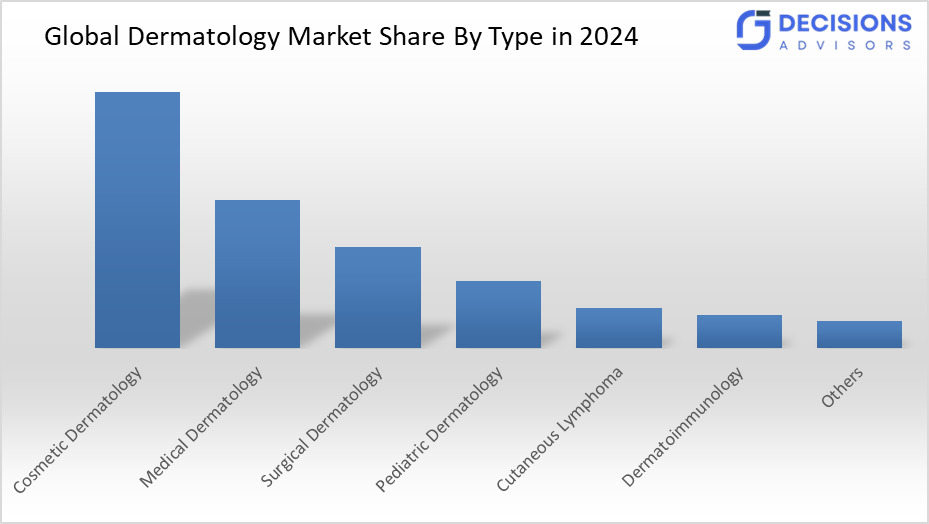
According to a research report published by Decisions Advisors and Consulting, the global polycythemia market size was worth around USD 1.85 billion in 2024 and is predicted to grow to around USD 4.23 billion by 2035 with a compound annual growth rate (CAGR) of 7.81% from 2025 to 2035. The global polycythemia market presents future growth potential through its specific biologic treatments and advanced diagnostic tests, increasing knowledge about the condition and better healthcare access in developing nations, and the development of new treatment options and their business alliances and their digital health monitoring systems, and growing investigations into uncommon blood disorders.
Market Overview
The global polycythemia market describes the international business sector that specializes in diagnosing and treating polycythemia, a rare blood disorder that causes excessive red blood cell production, resulting in increased blood thickness and elevated thrombosis risk. The market is expanding due to growing disease awareness, improved diagnostic technologies, and advances in targeted therapies such as JAK inhibitors. Supportive government initiatives drive major funding through their rare disease policies and hematology research programs, and the development of public healthcare systems. The U.S. Food and Drug Administration and European Medicines Agency enable faster drug approvals through their use of orphan drug designations and fast-track pathways. The rising healthcare spending in developing nations and the partnerships between public entities and pharmaceutical companies create stronger global treatment distribution and market expansion.
Report Coverage
This research report categorizes the polycythemia market based on various segments and regions, forecasts revenue growth, and analyzes trends in each submarket. The report analyses the key growth drivers, opportunities, and challenges influencing the polycythemia market. Recent market developments and competitive strategies such as expansion, type launch, development, partnership, merger, and acquisition, have been included to draw the competitive landscape in the market. The report strategically identifies and profiles the key market players and analyses their core competencies in each sub-segment of the polycythemia market.
Driving Factors
The global polycythemia market grows because of three factors which include increasing hematologic disorder cases and improved diagnostic methods and wider access to specialized medical treatment. The development of precision medicine together with advanced molecular testing and AI-enabled diagnostic tools and next-generation JAK inhibitors as targeted therapies brings better treatment results. The market expands because of increased research and development spending and favorable reimbursement systems and growing biopharmaceutical research pipelines.
Restraining Factors
The global polycythemia market faces restraints because of high treatment costs, insufficient public awareness in developing regions, slow disease detection, difficult approval processes, permanent treatment side effects, insufficient availability of hematology specialists, and limited access to modern diagnostic facilities in areas with insufficient medical resources.
Market Segmentation
The polycythemia market share is classified into type and treatment.
- The primary polycythemia segment dominated the market in 2024, approximately 60%, and is projected to grow at a substantial CAGR during the forecast period.
Based on the type, the polycythemia market is divided into primary polycythemia, secondary polycythemia, and pseudopolycythemia. Among these, the primary polycythemia segment dominated the market in 2024, approximately 60%, and is projected to grow at a substantial CAGR during the forecast period. The chronic nature of the disease causes an increase in diagnosis rates because patients require extended medical care and monitoring procedures. The targeted therapies become more accessible while genetic testing rates increase and clinical research activities grow and reimbursement systems improve which leads to business growth in this segment. The growing understanding of advanced treatment options which healthcare professionals and patients now possess leads to both earlier disease detection and ongoing demand for modern medical solutions.

- The phlebotomy segment accounted for the largest share in 2024, approximately 50% and is anticipated to grow at a significant CAGR during the forecast period.
Based on the treatment, the polycythemia market is divided into phlebotomy, aspirin, myelosuppressive agents, selective serotonin reuptake inhibitor, and others. Among these, the phlebotomy segment accounted for the largest share in 2024, approximately 50% and is anticipated to grow at a significant CAGR during the forecast period. Phlebotomy serves as the primary treatment option because it functions as the most frequently recommended method to maintain hematocrit levels while decreasing thrombotic risks in patients with polycythemia. The treatment method proves to be affordable because it has widespread availability and requires only minor surgical procedures, which make it ideal for extended medical treatment of the disease. The combination of comprehensive clinical guidelines with high patient acceptance and regular treatment needs creates ongoing demand for medical services in various healthcare environments.
Regional Segment Analysis of the Polycythemia Market
- North America (U.S., Canada, Mexico)
- Europe (Germany, France, U.K., Italy, Spain, Rest of Europe)
- Asia-Pacific (China, Japan, India, Rest of APAC)
- South America (Brazil and the Rest of South America)
- The Middle East and Africa (UAE, South Africa, Rest of MEA)
North America is anticipated to hold the largest share of the polycythemia market over the predicted timeframe.
North America is anticipated to hold the largest share of the polycythemia market over the predicted timeframe. The region experiences strong market growth because its favorable reimbursement systems work together with its research funding programs and its policies that support rare diseases. The market for innovative therapies in this region grows because its advanced healthcare infrastructure and high disease awareness and diagnostic capabilities and presence of major pharmaceutical companies and availability of new treatment options.
Asia-Pacific is expected to grow at a rapid CAGR in the polycythemia market during the forecast period. The healthcare system development together with increased knowledge about rare blood disorders and the growing number of patients and the improved diagnostic service availability. The regional market development accelerates through rising healthcare spending and government support programs and the entry of international drug manufacturers and the quick implementation of new medical treatments.
Competitive Analysis:
The report offers the appropriate analysis of the key organizations/companies involved within the polycythemia market, along with a comparative evaluation primarily based on their type of offering, business overviews, geographic presence, enterprise strategies, segment market share, and SWOT analysis. The report also provides an elaborative analysis focusing on the current news and developments of the companies, which includes type development, innovations, joint ventures, partnerships, mergers & acquisitions, strategic alliances, and others. This allows for the evaluation of the overall competition within the market.
List of Key Companies
- Novartis AG
- Incyte Corporation
- Bristol-Myers Squibb Company
- Eli Lilly and Company
- PharmaEssentia Corporation
- Dr. Reddy's Laboratories Ltd.
- LC Laboratories
- Par Pharmaceutical Inc.
- Taj Life Sciences Pvt. Ltd.
- GSK PLC
- Others
Key Target Audience
- Market Players
- Investors
- End-users
- Government Authorities
- Consulting and Research Firm
- Venture capitalists
- Value-Added Resellers (VARs)
Market Segment
This study forecasts revenue at global, regional, and country levels from 2020 to 2035. Decisions Advisors has segmented the polycythemia market based on the below-mentioned segments:
Global Polycythemia Market, By Type
- Primary polycythemia
- Secondary polycythemia
- Pseudopolycythemia
Global Polycythemia Market, By Treatment
- Phlebotomy
- Aspirin
- Myelosuppressive Agents
- Selective Serotonin Reuptake Inhibitor
- Others
Global Polycythemia Market, By Regional Analysis
- North America
- US
- Canada
- Mexico
- Europe
- Germany
- UK
- France
- Italy
- Spain
- Russia
- Rest of Europe
- Asia Pacific
- China
- Japan
- India
- South Korea
- Australia
- Rest of Asia Pacific
- South America
- Brazil
- Argentina
- Rest of South America
- Middle East & Africa
- UAE
- Saudi Arabia
- Qatar
- South Africa
- Rest of the Middle East & Africa
Frequently Asked Questions (FAQ)
1. What is driving growth in the global polycythemia market?
A: Growth is driven by rising hematologic disorder cases, better diagnostic technologies, wider access to specialized care, precision medicine adoption, AI-enabled diagnostics, next-generation targeted therapies, stronger reimbursement systems, and increasing global research investments.
2. Which segment led the polycythemia market by type in 2024?
A: Primary polycythemia dominated due to its chronic disease burden, higher diagnosis rates, need for long-term monitoring, expanding targeted treatment availability, increasing genetic testing adoption, strong clinical research focus, and improved reimbursement support.
3. Why does phlebotomy hold the largest treatment share?
A: Phlebotomy leads as a first-line therapy for controlling hematocrit levels and reducing thrombosis risk. It is cost-effective, widely available, minimally invasive, guideline-recommended, well-accepted by patients, and essential for long-term disease management.
4. Which region dominates the global polycythemia market?
A: North America dominates due to advanced healthcare systems, strong reimbursement frameworks, major pharmaceutical presence, high disease awareness, superior diagnostic capabilities, supportive rare disease policies, and extensive research funding.
5. Which region is growing fastest in the market?
A: Asia-Pacific is the fastest-growing region due to improving healthcare infrastructure, rising patient population, expanding diagnostic access, higher healthcare spending, government support initiatives, global company expansion, and rapid adoption of advanced therapies.
Check Licence
Choose the plan that fits you best: Single User, Multi-User, or Enterprise solutions tailored for your needs.
We Have You Covered
- 24/7 Analyst Support
- Clients Across the Globe
- Tailored Insights
- Technology Tracking
- Competitive Intelligence
- Custom Research
- Syndicated Market Studies
- Market Overview
- Market Segmentation
- Growth Drivers
- Market Opportunities
- Regulatory Insights
- Innovation & Sustainability
Report Details
| Scope | Global |
| Pages | 240 |
| Delivery | PDF & Excel via Email |
| Language | English |
| Release | Mar 2026 |
| Access | Download from this page |